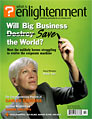
Walter Robb
OUR COMPETITIVE WEAPON IS OUR culture
because, as opposed to a command-and-control culture, it is
constantly evolving from all directions. Our culture is based on
principles of inclusion, self-responsibility, and co-creator of
the future. Whole Foods is a networked organization, a sharing
organization—not one where everyone is waiting for some
memo about what the future will look like. At Whole Foods, we
follow the adage: Better to ask for forgiveness than for
permission.
“Whole Foods is willing, as a company, to take steps
to change things. We've got to take concrete steps to show not
only our own team members, but also the world, that we're
serious about our principles. For example, we don't sell sea
bass anymore, even though it's our number two or three selling
fish, because it's not being fished sustainably. We discontinued
tilapia because we found out that they've been using hormones in
the production of the fish. When we take a stand on GMOs, or we
take a stand on animal compassion standards for meat production,
or we take a stand on organic production, or we take a stand
that no one here will make more than fourteen times the average
wage, we stand by our principles and put ourselves on the line
for being authentic and trustworthy.
“You see, we're not retailers who have a
mission—we're missionaries who retail. At the very heart
and soul of Whole Foods is the mission. We're here to make a
real difference in people's health and well-being, in the health
and well-being of the planet, and in creating a workplace based
on love and respect. These simple things are so important to
remember and stay grounded in, so that we don't get full of
ourselves about the success we're having, because that success
only comes from the quality and the depth of what we're here to
do. So we put our customers and team members before our
shareholders. We deliver results by being a mission-driven
business. And if you compare our performance to other publicly
traded food companies, it's superior. A thousand bucks invested
in Whole Foods at the beginning in 1992 would be worth well over
thirty thousand now. Since we've been public, we've delivered a
twenty-five percent compounded annual growth rate. Our return on
invested capital is north of thirty-five per cent. Those are
some of the strongest numbers in the history of food
retailing.”





 printer friendly
 email the editors
 advertise
 reprints